



Why Does Google Keep Asking Me if I’m a Robot?
Many people feel befuddled or irritated when Google inquires, “Are you a robot?” This address regularly pops up whereas you’re looking, marking in, or browsing rapidly. It feels superfluous. It feels dreary.
Yet there are clear reasons behind it. Google employments this check to secure clients and its systems. This blog clarifies the reasons in basic terms. It too clarifies related issues, like rehashed sign-ins and area requests.
What Does “I’m Not a Robot” Mean?

Google employments a security system called CAPTCHA. It checks whether a genuine human is utilizing the benefit. Bots are programs. They rub information. They send spam. They attempt to break frameworks. Google wants to halt them.
Read Also: Google Keep Working on Ai-Powered Magic Lists
The lookout, it seems like, will be when the system is about surprising of physical activity. The framework loads the page. Somebody has delayed the ask. We require to confirm. This is for the sake of look quality and client info.
No one is blaming you. A prepare is being followed.
Why Does Google Think My Computer Is a Robot?
There are numerous common operations which can cause the check to fire.
- You can search at an absolutely insane rate.
- You may open numerous tabs.
- You can refresh the pages a couple times.
- You may utilize a VPN or proxy.
These activities see computerized. We compare signals. Investigators look at designs. When they do not see human, they show a challenge.
A machine does this. No one includes manual judgment.
Network and IP Address Issues
Your IP address things. If it's just one IP that is shared between a lot of people, the probability go up. This happens in workplaces. It happens in schools. It also occurs on public Wi-Fi.
It gets tarnished, if some other bad actor uses that IP. Your activities influence activity. The template displays the robot check.
Mobile devices regularly change IPs as well. This confuses systems. Somebody is asking confirmation again.
Browser and Gadget Factors
Old browsers can cause issues. Somebody may square treats. You may impair JavaScript. These settings avoid Google from perusing typical signals.
When you erase treats regularly, Google cannot keep in mind you. Each visit looks modern. Doubt rises. Extensions can too meddled. Advertisement blockers. Script blockers. Protection apparatuses. They sometimes cover up typical behavior. This leads to additional checks.
Why Does Google Keep Asking Me to Sign In?
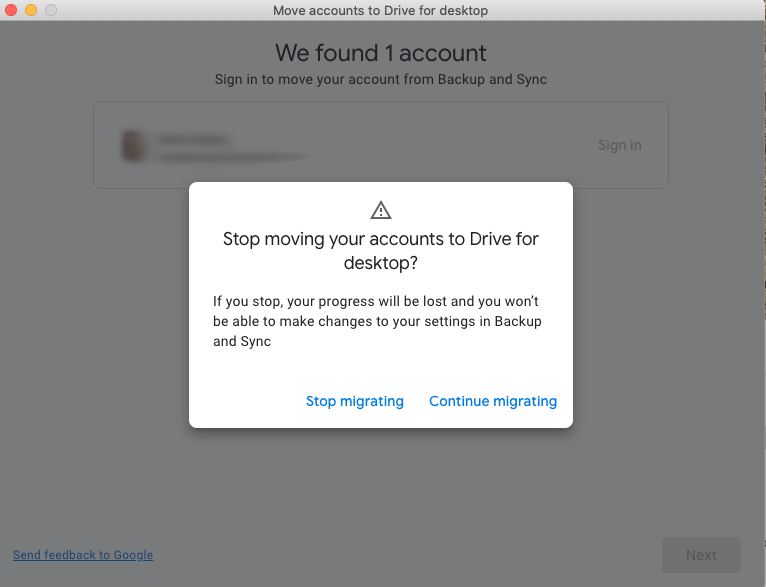
Many clients inquire, “why does google keep asking me to sign in” when they are as of now logged in. Session information usually gets misplaced, causing this to happen.
- You may clear cookies.
- You may be exchanging devices.
- You may be utilizing in disguise mode.
In these cases, you cannot spare your login; Google asks once more. This is ordinary behavior.
You Must Also Like: Will Google Meets Keep Ringing Endlessly If You're Blocked?
Another reason is security. If a login looks abnormal, the framework delays get to. We ask reauthentication. This secures your account.
When you inquire, "Why does Google keep asking me to sign in?" the reply as a rule lies in your browser settings, gadget changes, or security checks.
This framework computerizes the ask. It is not individual. Information security is the goal.
Account Action and Security Alerts
If you log in from distinctive places, cautions show up. If the gadget is modern, we require confirmation. If you utilize your secret word somewhere else, the framework triggers protection. We log out accounts at particular times. This happens after overhauls. It happens after long inactivity.
When users ask why Google keeps asking me to sign in, the reason is frequently quiet security requirement. It works in the foundation. It keeps accounts safe.
Why Does Google Keep Asking for My Location?
Many administrations depend on area information. Look comes about. Maps. Climate. Nearby businesses. These instruments work way better with area access. When authorization is not spared, Google asks again. When settings alter, the framework rehashes the request.
Users regularly ponder, “why does google keep asking for my location” indeed after denying it once. This happens since a few administrations require it for a brief period. Others require it without interruption.
Someone may square area data. GPS may be off. Browser consents may reset. The framework then inquires again.
Location Accuracy and Arrange Changes
Several ways to assess area are: we utilize GPS, Wi-Fi systems, and IP addresses. If you move regularly, precision drops. If you switch systems, information resets. The ask returns.
This is why individuals inquire, why does Google keep inquiring for my location? A when they travel or use mobile information. The framework needs overhauled signals. The ask is not spying. It is functional.
Privacy Settings and Consent
Google must inquire for consent. It cannot expect assent. It is the law in many districts.
When you clear away wishes, so also do you clear away assent. When browsers overhaul, authorizations reset. The ask shows up again.
If you continue to get the asking for your location prompt, then most likely you have some security settings in place that are blocking it.
The ask ensures you. The person using the framework has control.
CAPTCHA, Sign-In, and Area: How They're Related
These three issues relate. They are portion of one system.
- CAPTCHA checks behavior.
- Sign-in checks identity.
- Location checks are relevant.
When one flag debilitates, we use others. If you piece everything, you will ask more questions.
This is why numerous clients involvement all three issues together.
How to Decrease “I’m Not a Robot” Prompts?
You can decrease these checks with straightforward steps.
- Use a steady web connection.
- Avoid free VPNs.
- Enable treats for Google.
- Keep JavaScript enabled.
- Update your browser.
Sign in once and stay signed in. Use trusted devices. Avoid over the top refreshing.
These behaviors render behavior appear to ve ordinary. They diminish checks.
Managing Sign-In Demands Better
To avoid repeated prompts, check your settings.
Allow cookies.
Body-covering while in disguise mode for daily use.
Do not wipe details too commonly.
If you’re still asking me why is Google asking for my password, see your security alarms. Your account might be saving itself.
Two-step confirmation can help. You can include trusted devices.
Managing Area Requests
To diminish area prompts, characterize consents with clarity.
Allow area for trusted Google services.
Block it for others.
Select "Allow while using."
Repetitive requests cease if permissions are configured correctly.
By showing clients why Google asks for their location, they feel less mystified. We reestablish control.
Is Google Tracking You Excessively?
This is a common fear. The reply presents nuances. We collect information. It is too secured. We give controls. You can alter the settings. You can survey movement. You can stop following. You can erase history. The prompts exist since assent matters.
Final Thoughts
Google wants to know if you’re a robot in order to safeguard its systems. It asks you to log in so it can verify your account. It asks for your local to push strides results.
These checks are programmed. They are not individual. They are part of next level web security. If clients get it, it is less annoying, the involvement. You can reduce most of the prompts away with sufficient settings. Security, privacy, and usability need to be balanced. That adjust is what Google is aiming to keep up.